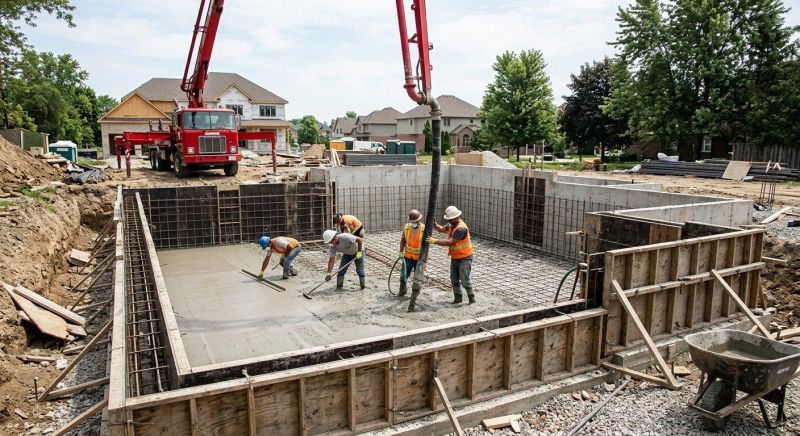
Basement Concrete Pouring in Charleston, SC
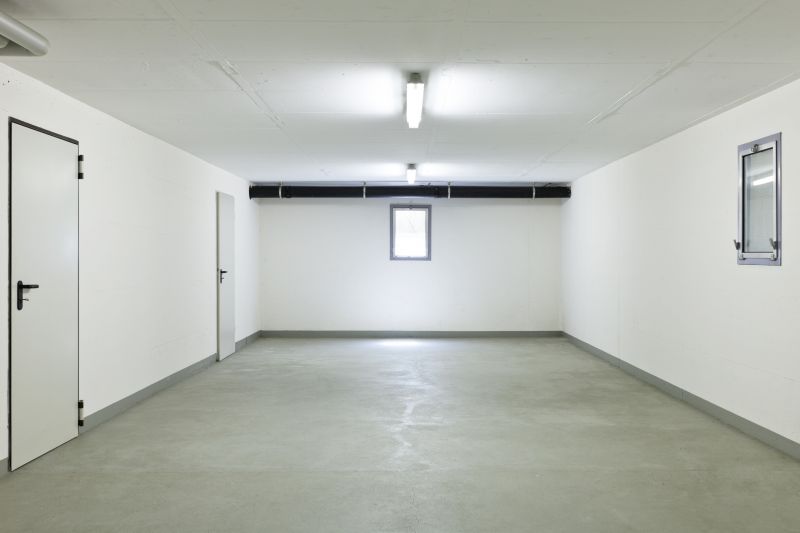
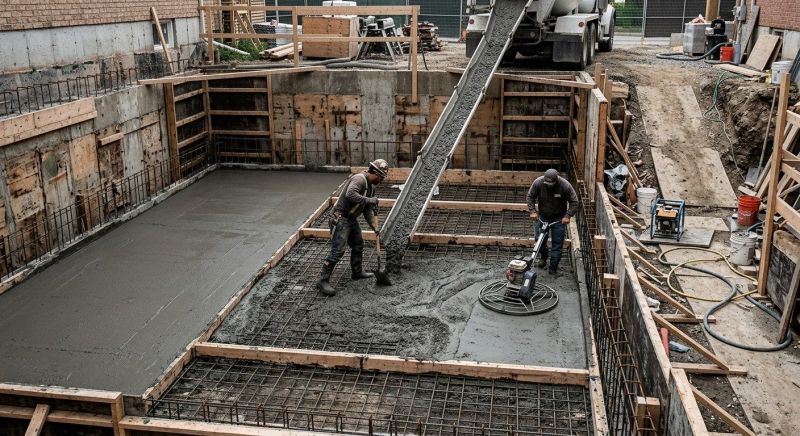
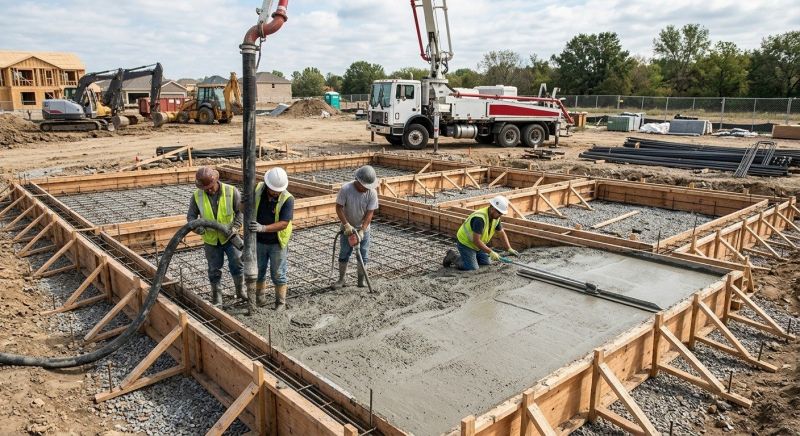
Basement concrete pouring services involve the installation of new concrete foundations or slabs in basement areas of residential properties. This service is commonly used for finishing unfinished basements, creating additional living or storage space, or repairing existing concrete structures. Property owners typically request this service for projects such as basement conversions, installing new flooring, or reinforcing existing foundations to ensure stability and durability.
Before requesting basement concrete pouring, homeowners often want to understand the scope of the work, including the preparation needed and the type of concrete used. It’s important to consider factors like proper drainage, moisture control, and the overall layout of the basement to ensure a long-lasting result. Clarifying these details can help property owners plan effectively and ensure the poured concrete meets the specific needs of their project.
Many property owners in Charleston, SC look into Basement Concrete Pouring for repairs, replacements, upgrades, and appearance-related improvements.
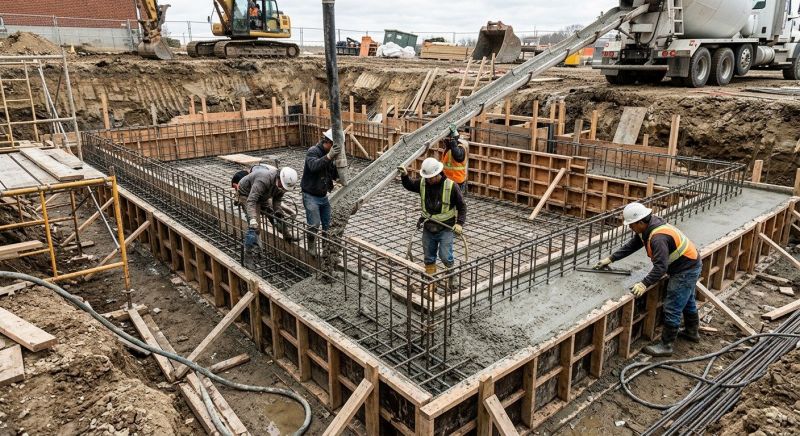
Foundation Stability
Proper concrete pouring ensures a strong and durable basement foundation for charleston homes.
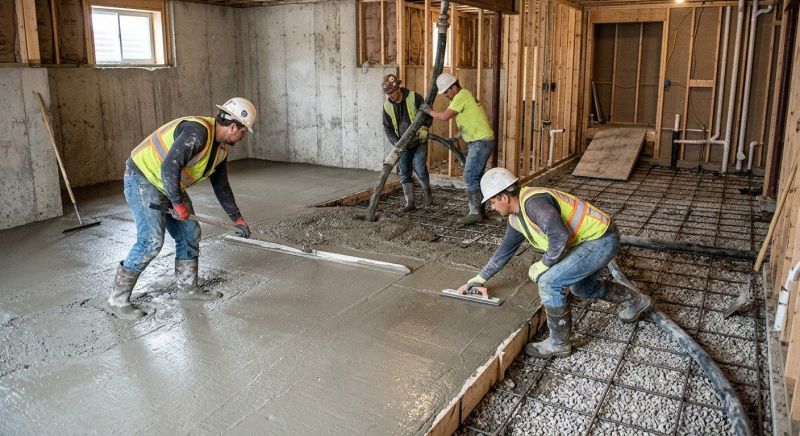
Moisture Prevention
A well-poured basement concrete helps prevent water seepage and maintains a dry interior environment.
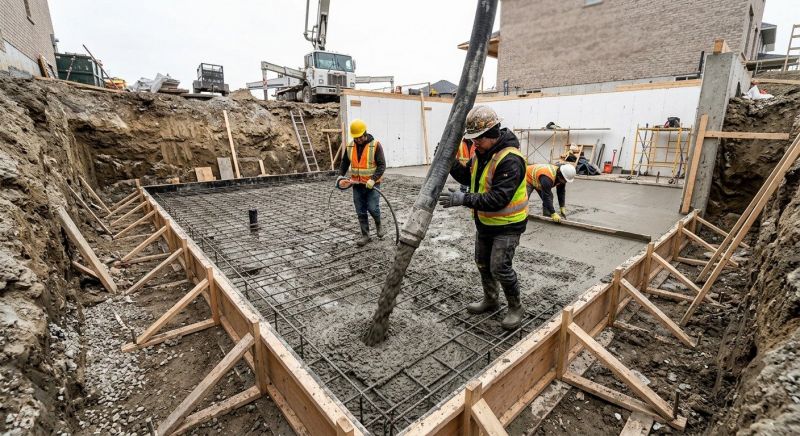
Property Value Enhancement
Quality basement concrete work can increase the overall value and safety of residential properties in charleston.
Basement Concrete Pouring in Charleston, SC

Basement concrete pouring services involve the installation of new concrete foundations or slabs in basement areas of residential properties. This service is commonly used for finishing unfinished basements, creating additional living or storage space, or repairing existing concrete structures. Property owners typically request this service for projects such as basement conversions, installing new flooring, or reinforcing existing foundations to ensure stability and durability.
Before requesting basement concrete pouring, homeowners often want to understand the scope of the work, including the preparation needed and the type of concrete used. It’s important to consider factors like proper drainage, moisture control, and the overall layout of the basement to ensure a long-lasting result. Clarifying these details can help property owners plan effectively and ensure the poured concrete meets the specific needs of their project.
Many property owners in Charleston, SC look into Basement Concrete Pouring for repairs, replacements, upgrades, and appearance-related improvements.
Common Basement Concrete Pouring Jobs
Basement foundation slabs - provides a solid base for basement floors and structural support.
Crawl space concrete pouring - stabilizes and seals crawl space areas to prevent moisture issues.
Underground parking garages - ensures durable and level concrete for underground parking structures.
Basement walls and footings - reinforces basement walls and footings for added stability and safety.
Waterproofing and sealing - helps protect basement concrete from water intrusion and damage.
Custom basement slabs - tailored concrete pours designed to meet specific basement layout needs.
Basement Concrete Pouring Questions
What types of projects require basement concrete pouring? Common projects include foundation slabs, basement floors, and additional living or storage spaces.
How thick should a basement concrete slab be? Typically, basement slabs are poured to a thickness of 4 to 6 inches, depending on the intended use and load requirements.
What preparations are needed before pouring basement concrete? The area should be properly excavated, leveled, and reinforced with steel rebar or wire mesh to ensure stability and durability.
Are there specific considerations for basement concrete in Charleston, SC? Moisture control and proper drainage are important to prevent water issues and ensure long-lasting results.
Request Basement Concrete Pouring in Charleston, SC
Use the quote form on this page to share the basics of your project and request more information for the type of work you need.